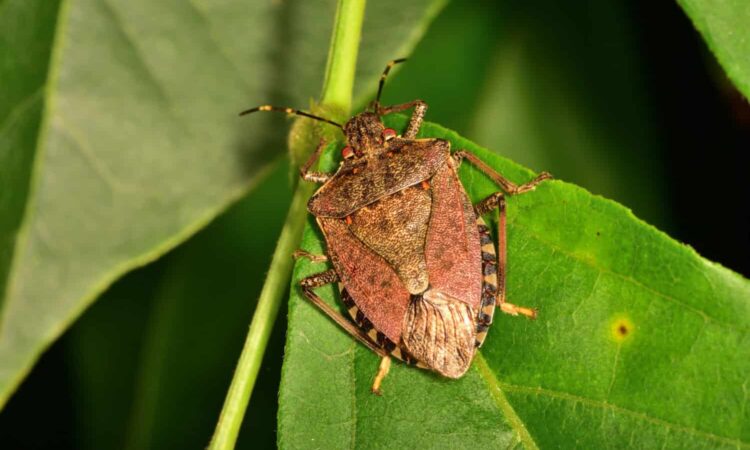
What Is a Stink Bug?
They are shaped like a shield, with six legs and wings. A stink bug is a herbivore. They are only eating plants and vegetation. The mouth of a stink bug is known to be pierce-sucking, which means they pierce the plant and then suck up its juices.
Known to get about 2cm big, the stink bug is said to be a great pilot. Adult stink bugs are the only form of this species that can fly. A baby stink bug is permanently grounded. So, if it is flying, it’s old enough to have a license.
Most importantly, what I am sure you are waiting to read about is that the stink gland is found located on the belly of this bug. When frightened, injured, or even killed, the stink bug will release a foul odor from this gland.
It has been said to smell mostly of cilantro mixed with a few other spices. I am not sure if stink would be the correct word to use. To the human nose, it would be more strong and spicy. To another animal, though, that smell would be putrid. I keep thinking of my dog and how his smelly senses are triple the times of mine. A stink bug gas-ing would make him run for the hills!

Giving Up the Gas
Not only do stink bugs release a gas when they are in danger, but they also release a gas when they want to attract other stinky stompers. That’s right, they call their friends! When a stink bug has found a place to “call home,” it will release a gas, coating the area in it. That way, they attract other stink bugs to their location! It is like the official Bat Symbol, except it is not done by a flashlight towards the sky.
The National Pesticide Information Center has a great article discussing stink bugs and everything you want to know. In this article, they speak of this attraction chemical, saying,
When a Stink Bug finds as suitable winter shelter, it secretes a chemical odor that attracts other stink bugs.
Where Do They Nest?
Early in the fall, stink bugs will seek a place to settle down over the winter. They are looking for somewhere to stay warm and out of the way. This is when homeowners will find them in the doorways and window sills. They are found in the entryways of the home.
Once inside, they can be found anywhere. They like to sun themselves so during the day you can find them located by a window or somewhere where there is a sunspot! You will often see them on the outside walls of your home, searching for an entrance towards the heat.
When outside, you will find stink bugs living in the vegetation. Think large leaf piles and any yard waste. This is why keeping your yard clean is essential: raking up wet piles of leaves and removing any trash or outdoor debris you find lying around.
Female stink bugs lay 30-40 eggs twice a year. Besides being small, these eggs are yellow to green in color. Underneath leaves is where the female stink bug goes to lay her eggs. This is an example of the importance of cleaning your yard waste.
Why Are They Such a Pest?
Since we know they cannot bite or harm you, and they do not destroy your home when they are in it. What is it about stink bugs that are so bad? Is it just me struggling to find the negative? At this point, they are just a lightening bug with bad B.O.
When it comes to being caught in your house, you are right. There is no actual harm. Grab some Febreeze, and you can fix any damage they have done. Yet, to a farmer. They are considered TROUBLE!
Known for their eating of plants, you are in for a nightmare if you are a farmer with a stink bug infestation. Stink bugs get into the crops of farmers and terrorize their yield. A stink bug can live up to 8 months old, that is, through spring and summer! I can only imagine the damage that one stink bug can do. What about a large group of them?
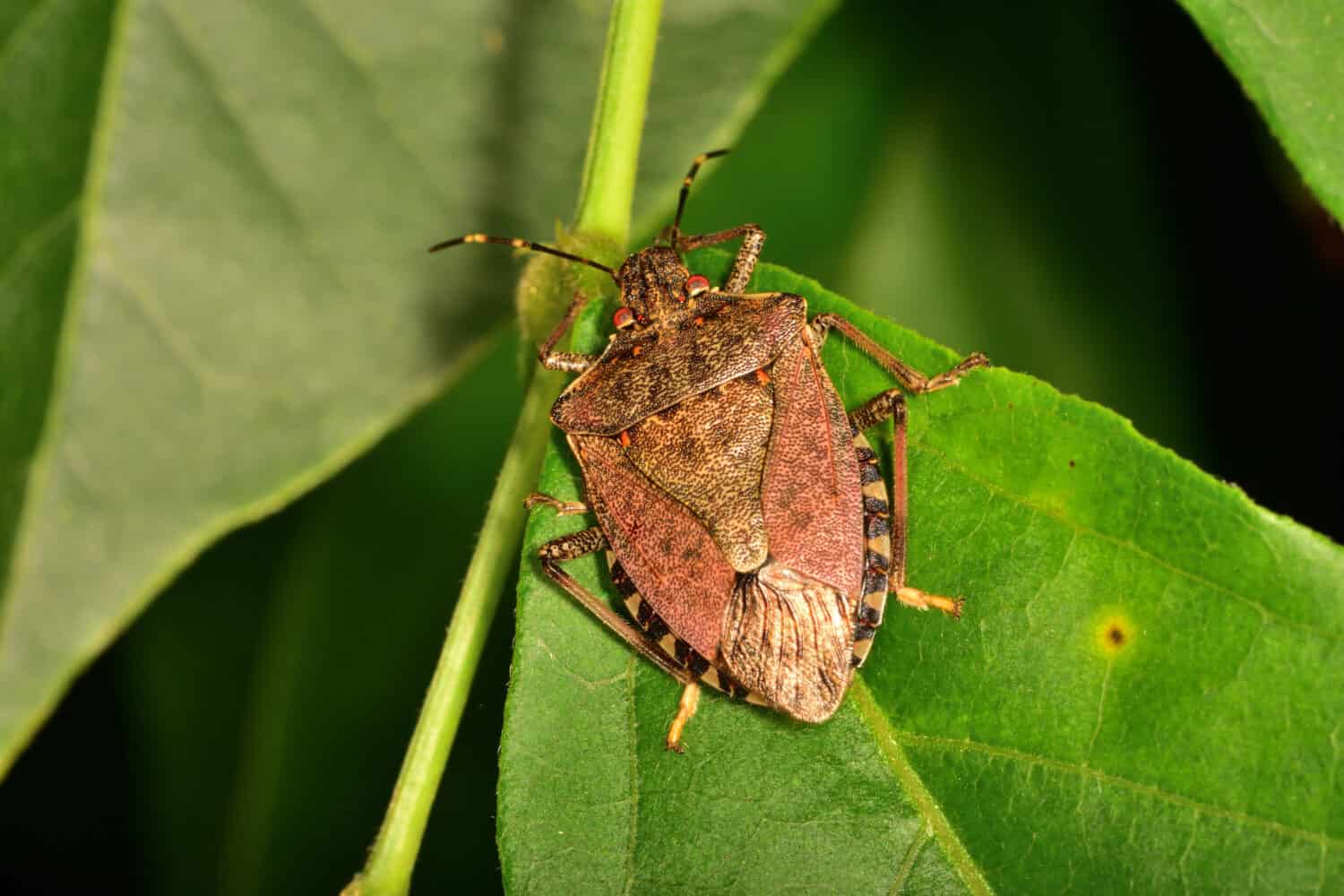
What Does Damage From a Stink Bug Look Like?
Stink bugs are herbivores, meaning they eat vegetation and, of course, fruits and veggies. When stink bugs harm fruits and veggies, they show signs of pitting and scarring. Also, feeding on the leafy parts creates imperfections in the leaf.
When it comes to attacking the crop, stink bugs get into the physical part of the plant. Therefore, you might not notice any imperfections upon a quick physical harvest inspection. The United States Environmental Protection Agency has some great examples of what damage stink bugs can cause out in the fields of farmers.