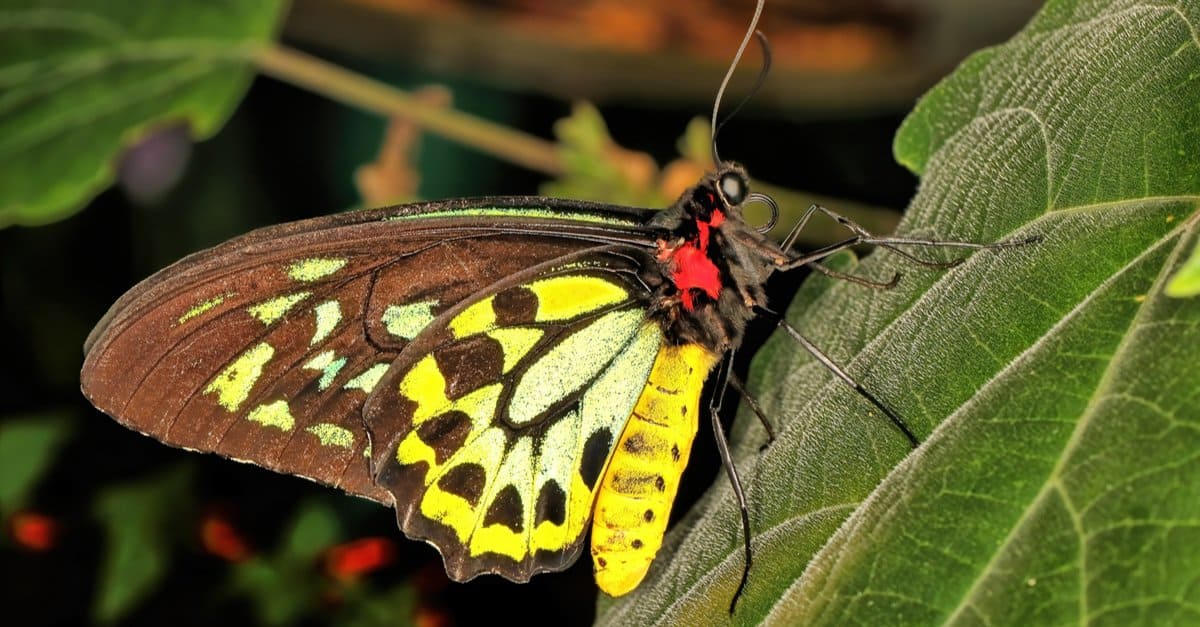
A queen butterfly and a monarch are both among the most popular and well-studied butterflies on the planet. They have a striking resemblance, making it a bit difficult to tell the two species apart, especially when their wings are closed. They are also very similar during their caterpillar phase, having the same coloration. These butterflies also lay eggs on milkweed.
With these similarities between them, how do we tell them apart? Here are some key differences between a queen butterfly and a monarch to help you discern between the two.
7 Key Differences Between A Queen Butterfly and a Monarch
The key differences between a queen butterfly and a monarch are their courtship behavior, temperament, morphology, and flying speed.
Although they are so much alike, the queen butterfly has white spots on its hind wings that distinguish it from the monarch. You can easily tell the two species apart when their wings are open. Queen butterflies have a darker orange color as compared to monarchs. The size of their wingspan differs as well. The monarch has a larger wingspan compared to that of the queen butterfly.
Let’s examine all these differences in a more detailed manner to help you understand better.
Queen Butterfly vs Monarch: Size
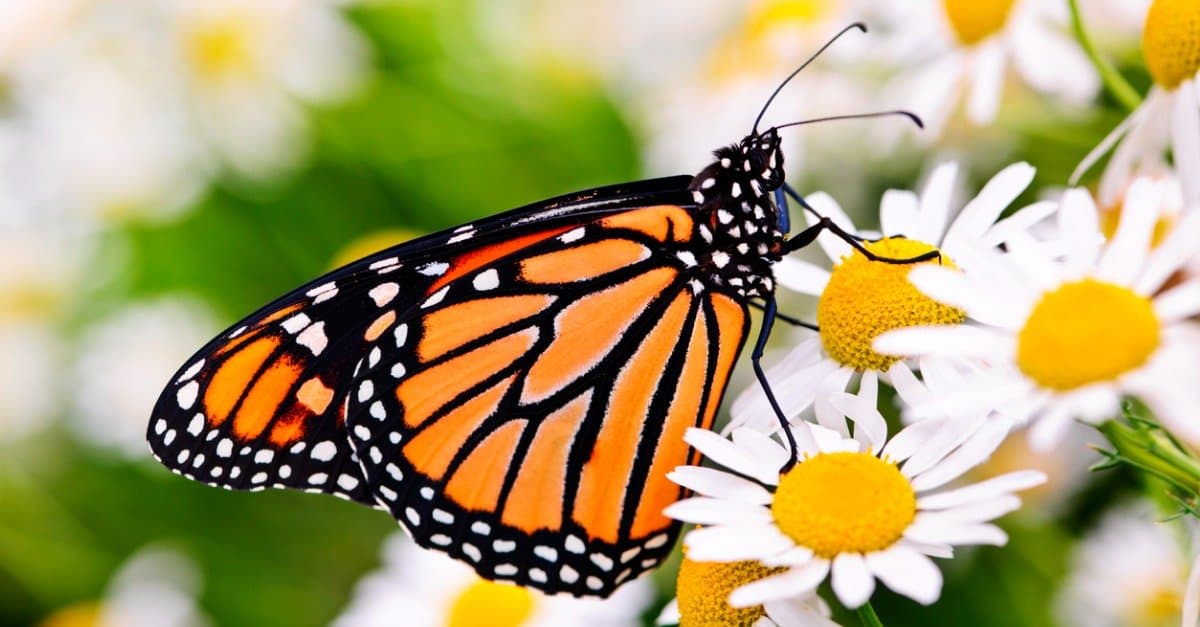
Queen butterflies have a shorter wingspan, ranging between 3.1 inches to 3.3 inches (8.0 cm to 8.5cm). Monarchs are larger than queen butterflies, having an average wingspan of 4 inches (10.2cm). Some monarchs have a wingspan that is nearly 5 inches.
Queen Butterfly vs Monarch: Morphology
Another key difference between a queen butterfly and a monarch is their morphology. The queen butterfly has a more solid orange color, while the monarchs have a paler orange color. The lighter orange color of the monarchs also varies throughout their bodies with faint shades of black and white markings.
Queen butterflies also have white dots on their forewings and within their black borders. The dots are more visible when their wings are closed. On the other hand, monarchs only have white dots within their black borders and none on their fore and hindwings.
Queen Butterfly vs Monarch: Life Cycle
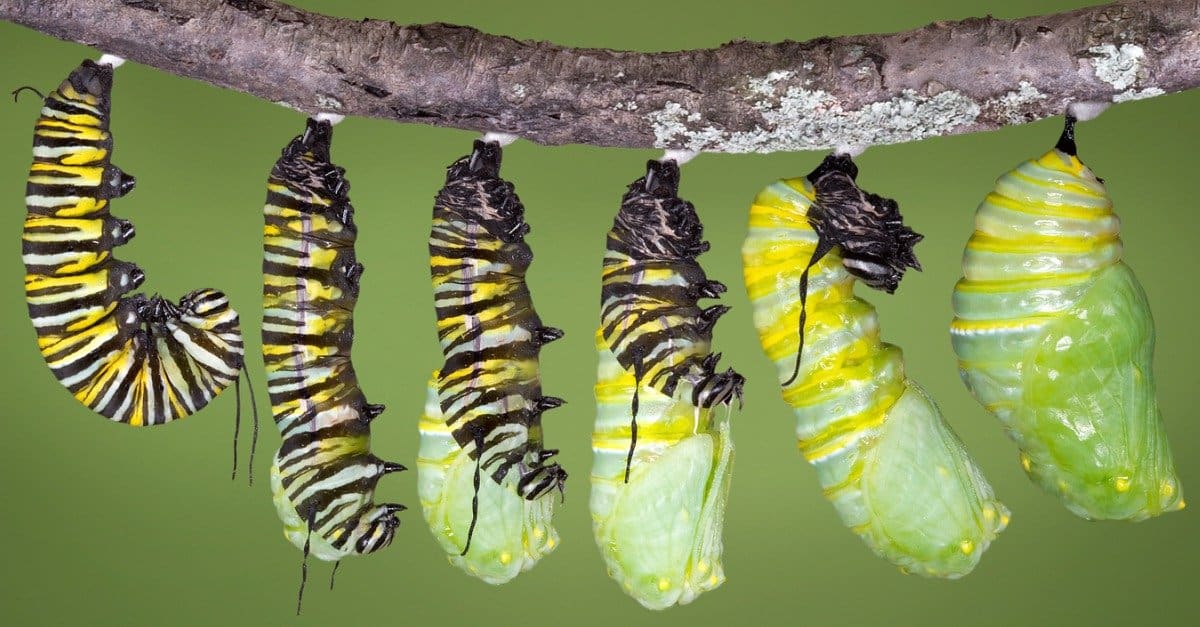
The monarch has two sets of filaments during its caterpillar phase. One pair of filaments is located at the front end while the other is at the rear. The queen butterfly has three sets of filaments during its caterpillar phase. A shorter pair is located at the rear, while two pairs that also appear long, are located towards the front.
Both monarch and queen butterfly caterpillars are almost similar, but you may be able to tell the difference if you look closely. Monarch caterpillars have even patterns of black, white, and yellow colors. Their thickening is also similar throughout their bodies.
The queen caterpillar has less even patterning. Their black colors appear thicker and contain thinner and faint yellow stripes. You may also spot a faint red color in queen caterpillars at the point where the filaments join their bodies.
Queen Butterfly vs Monarch: Temperament
Queen butterflies are very gentle and quieter as compared to monarchs. Monarch butterflies are a bit aggressive and territorial. They patrol milkweed patches while chasing males of the same species. It’s also weird that monarchs often try to mate with other males.
Queen Butterfly vs Monarch: Courtship Behavior
There are some courtship behavioral differences between a monarch and a queen butterfly. The Journal of Insect Behavior points out that male monarchs forego hairpencilling courtship, which is typical among most butterflies.
According to Pliske Thomas (1975)– a male monarch grabs the female in midair, then falls on the ground with her where copulation occurs instantly. The female monarchs often perceive this courtship behavior as coercion. They usually try to resist this pressure in vain.
On the other hand, male queen butterflies seduce their females with the aid of their two extrusible brush like “hairpencils.” When seducing their females, they release some secretions to the female’s antennae. These secretions are associated with the hair-pencils located on the rear end of the abdomen.
Queen Butterfly vs Monarch: Flying Speed