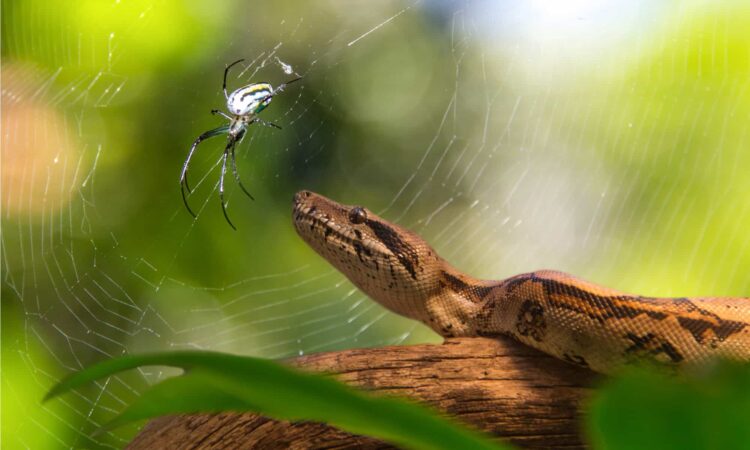
Few creatures fill people with as much as dread and fear as spiders and snakes. In fact, many people develop an extreme, overwhelming fear of spiders (arachnophobia) or snakes (ophidiophobia), and these fears are not completely irrational. Throughout the world, you can find snakes and spiders that produce enough venom to kill a person. Some are so deadly that a single bite could kill nearly a hundred grown adults. These fearsome creatures frequently prey on animals much larger than themselves and possess killer instincts. While most rarely act aggressively toward humans, they will attack if provoked or cornered. That said if we had to compare snakes and spiders, which is deadlier?
To answer this question, we’ll first need to look at snakes and spiders as a whole. Then, we’ll identify what percentage of snakes and spiders possess the ability to kill a human, and where they live. Finally, we’ll take a look at three dangerous snakes and three threatening spiders. Based on this information, we’ll determine which type of animal is deadlier to humans.
This post was updated on September 23, 2025 to clarify names of phobias, species counts, components of taipan venom, and size of Sydney funnel-web spider fangs.
Comparing Snakes vs. Spiders
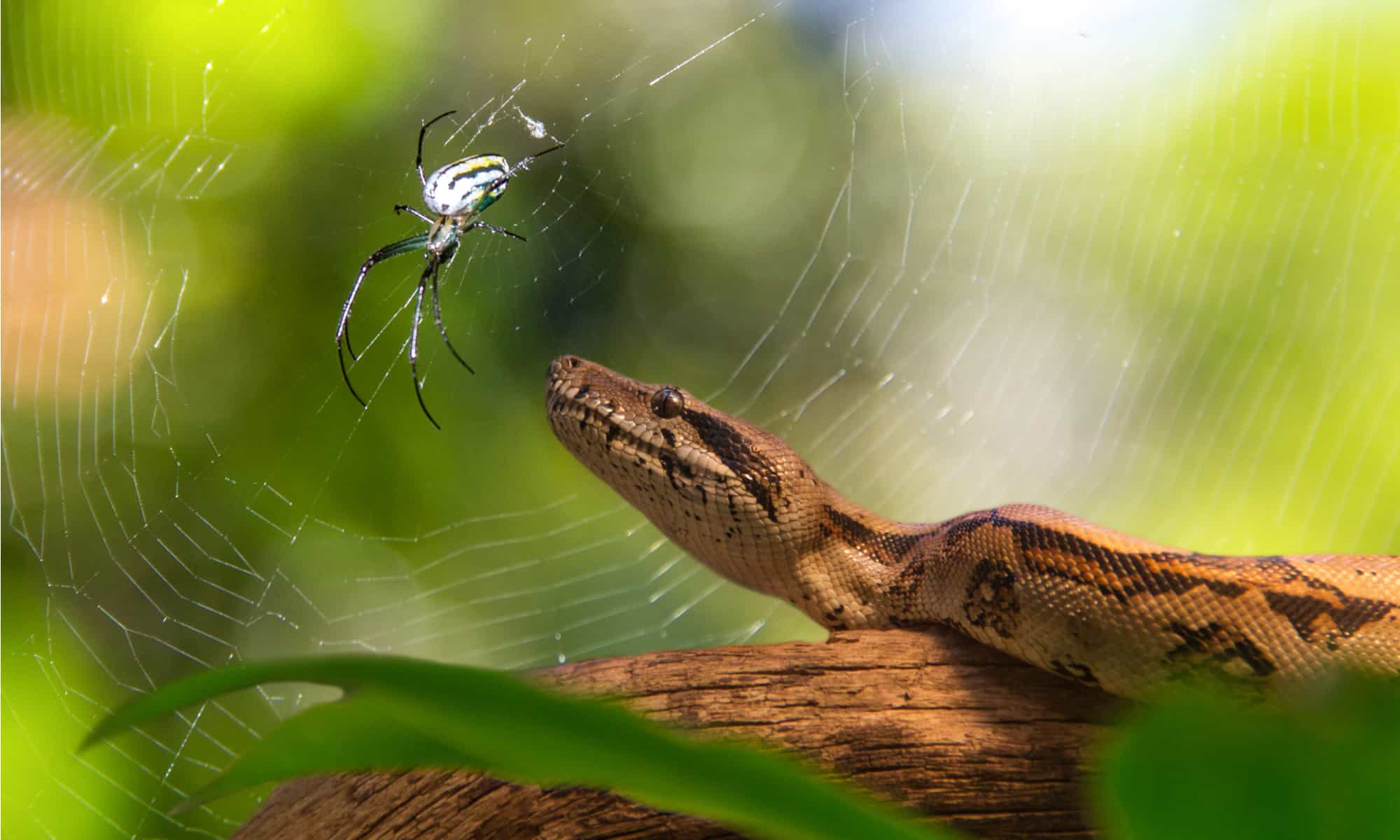
There exist more than 3,900 snake species worldwide and nearly 51,000 known spider species. However, of these thousands of species, only a small fraction poses a real danger to humans. For example, around 600 snakes are capable of causing serious injury, while between 250–300 pose potentially lethal risk. Meanwhile, although nearly all spiders are venomous you can only find about 20 species throughout the entire world that inflict a medically significant bite on humans.
| Snakes | Spiders |
|---|
| Total Species | 3,800 | 51,000 |
| Species Capable of Killing a Person |
250-300 | 20 |
| Most Venomous Species | Inland Taipan Snake | Sydney Funnel-Web Spider |
| Annual Deaths (US) | <6 | <7 |
| Annual Deaths (Worldwide) | 81,000 – 138,000 | Unknown |
It’s worth mentioning that while venomous spiders can be found in almost every country on Earth, not every country or region is home to venomous snakes. After all, several countries do not have any native snakes including Iceland, Ireland, and New Zealand. Snakes also do not live in the northern regions of Finland, Sweden, Norway, Russia, or Canada. However, although spiders are more widespread than snakes, snakes kill far more people each year than spiders. Scientists estimate that between 81,000 and 138,000 people worldwide die from snake bites each year. The majority of these deaths occur in countries in Africa and Asia where antivenin is less available. Case in point, in the United States fewer than six people per year die from snake bites.
On the other hand, the number of deaths worldwide attributable to spiders is less well known. Many countries do not keep good records of spider bite fatalities. In the United States, fewer than 7 deaths are attributable to spiders each year thanks to the widespread availability of antivenin. It can reasonably be assumed that worldwide, spiders kill several hundred people each year, but it’s impossible to say for sure.
Most Dangerous Snakes and Spiders
To continue our comparison of snakes and spiders, we’ll now introduce you to three spider and three snakes that pose a substantial threat to humans. This is not to say that these are the deadliest snakes and spiders in the world, merely that they are medically significant in their own way.
Black Widow Spider
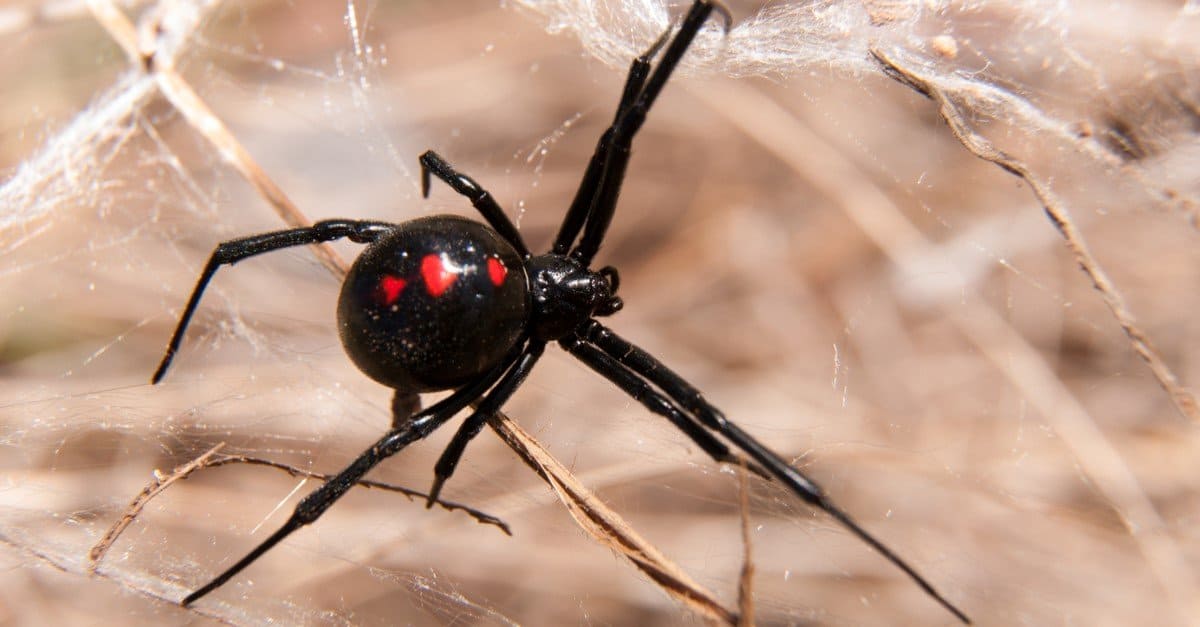
The black widow spider is one of the most feared and widely recognizable spiders in the world. It belongs to the genus Latrodectus, which includes 34 different species of varying size and venom potency. Other notable widow spiders include the brown widow, red widow, Australian redback, and South African button spider. The black widow spider produces a neurotoxin that can cause latrodectism, the symptoms of which include muscle pain and spasms, cramps, excess sweating, elevated heart rate, and even death. That said, black widow spiders aren’t known to be aggressive and are rarely responsible for fatalities.
Saw-Scaled Viper
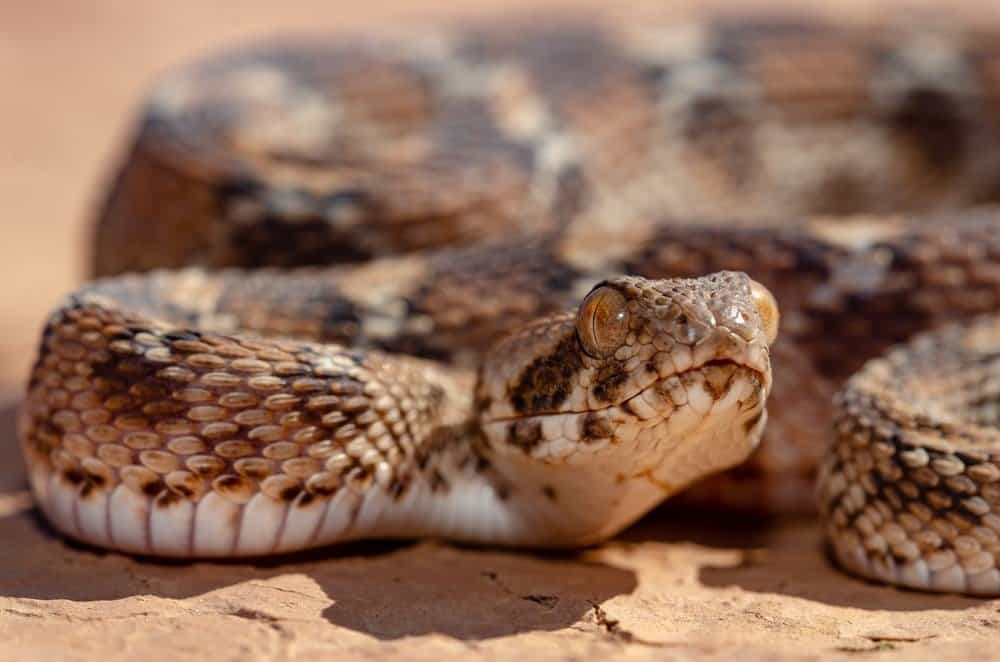
The saw-scaled viper is a small venomous snake in the genus Echis. It ranges throughout arid regions around the equator including Saudi Arabia, northern Africa, and India. Although it may not possess the most potent venom, it is still regarded as one of the most dangerous snakes in the world. The reason for this is that this snake is a notoriously aggressive species that is very quick to strike if irritated, so bites are more common with this species than with other types of snakes. Case-fatality rates vary widely depending on species/subspecies and treatment access. The saw-scaled viper a very dangerous snake to encounter. In fact, it’s estimated that more people die each year from saw-scaled viper bites than from any other snake species.
Brazilian Wandering Spider
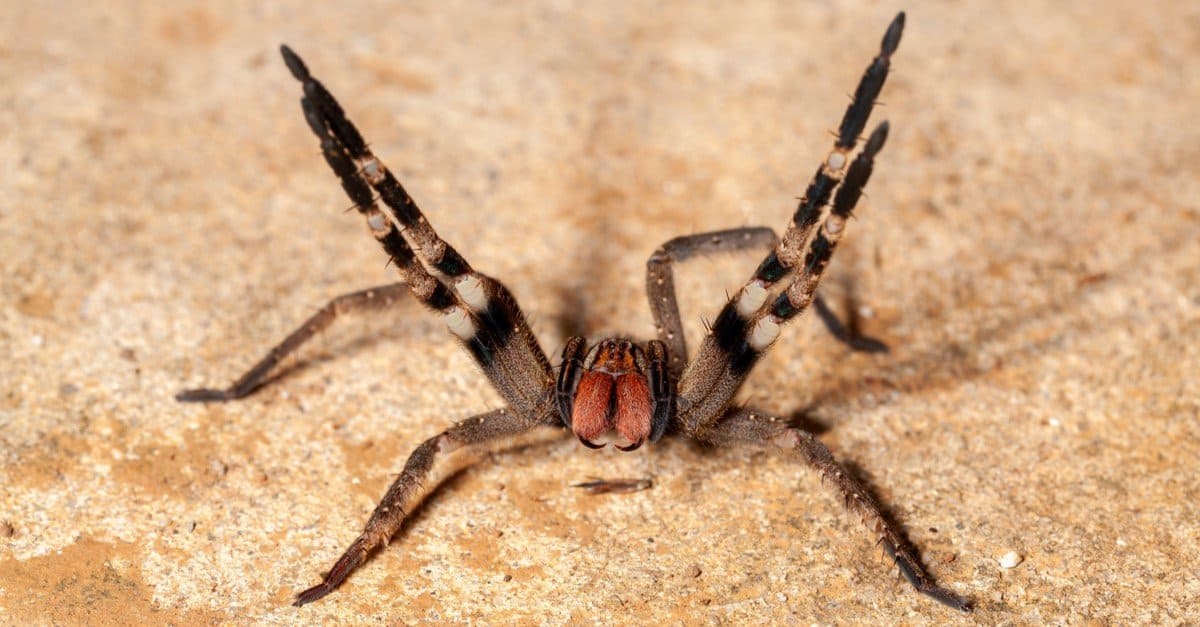
The Brazilian wandering spider holds the distinction of having the largest spider venom glands. A native to Central and South America, the Brazilian wandering spider gets its name from its habit of wandering the jungle floor at night in search of food. It is a relatively aggressive species, and it is this trait in combination with its frequent presence in areas with a high-population density that makes it particularly dangerous. As such, more people require hospitalization in Brazil due to its bite than any other spider. The bite of a Brazilian wandering spider can cause pain, increased blood pressure, sweating, fever, nausea, vomiting, and paralysis.
Forest Cobra
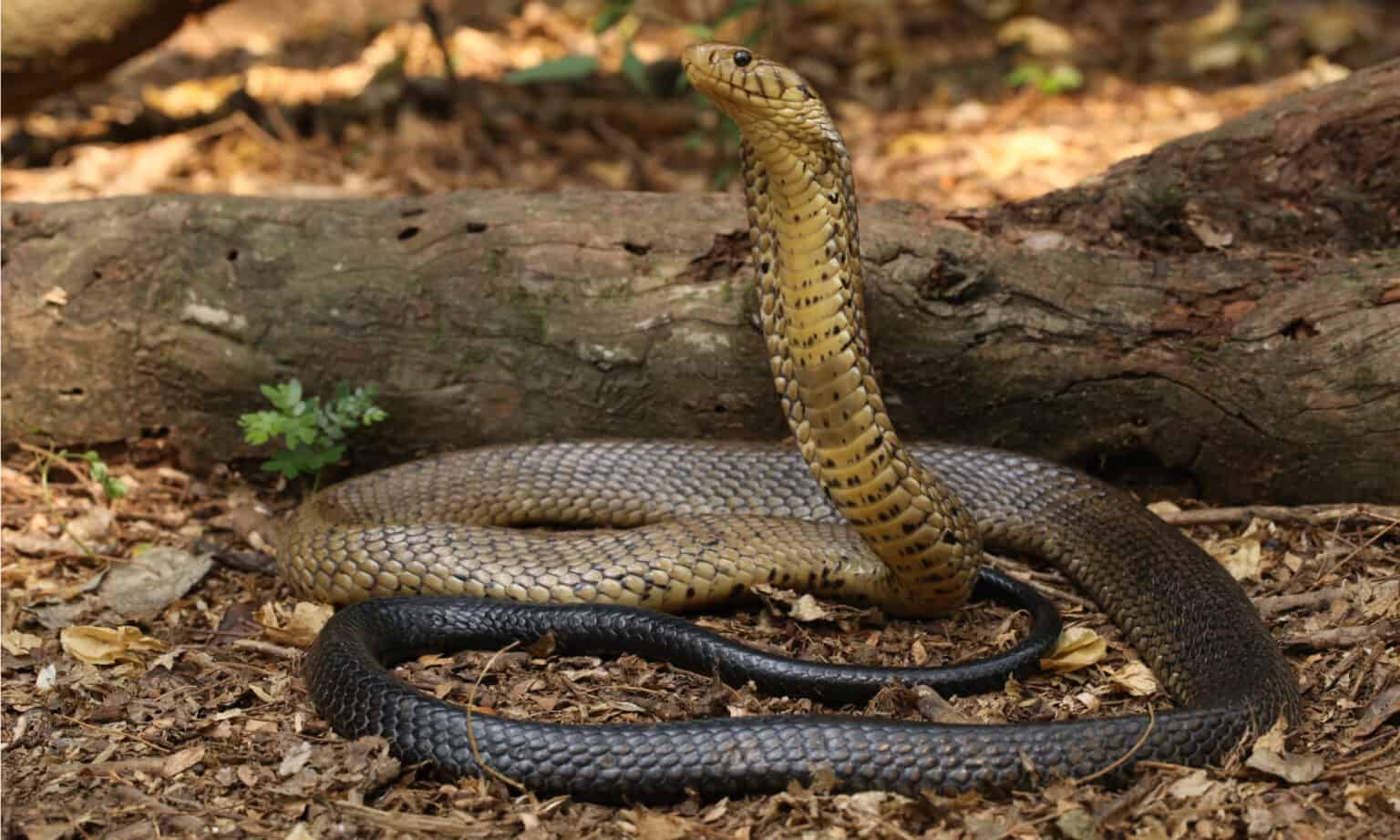
The forest cobra is considered the world’s deadliest cobra in terms of its venom. While the Caspian cobra possesses more potent venom, the forest cobra far outstrips it in terms of venomous load. In a single bite, a forest cobra can deliver an average of 571 mg of venom and up to 1102 mg of venom. As such, a single forest cobra possesses enough venom to kill an estimated 65 people. Given this massive venom load, it’s no wonder that the forest cobra is considered the second most dangerous snake in the world in terms of sheer killing power.
Sydney Funnel-Web Spider
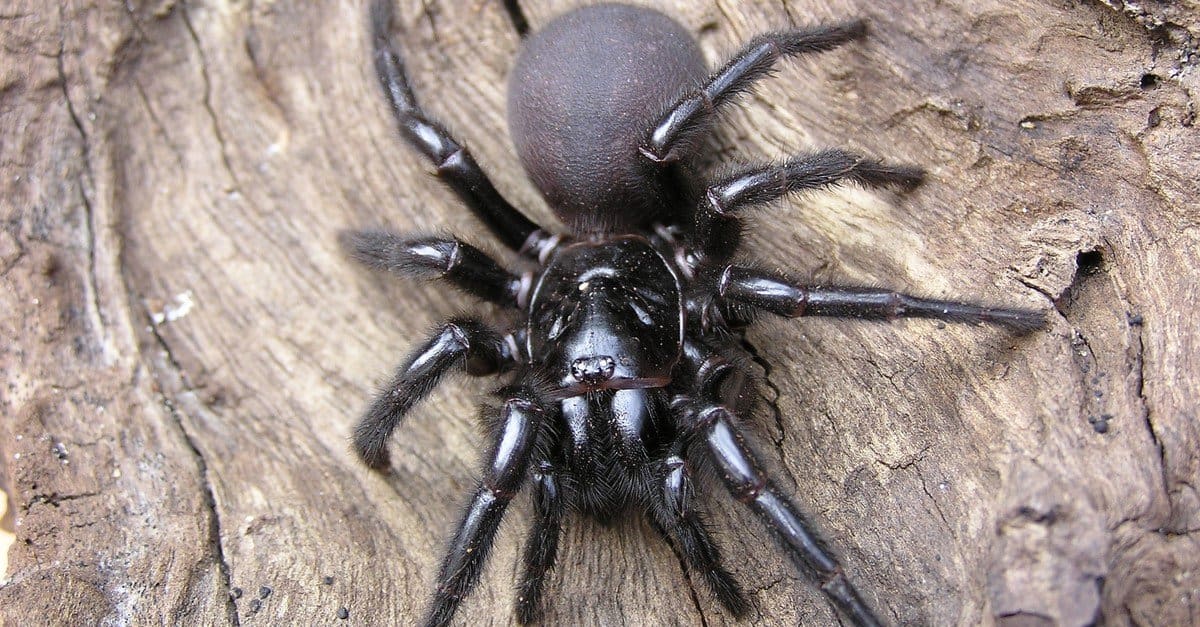
According to many experts, the Sydney funnel-web spider is the most dangerous spider in the world. While its venom is not as potent as the Brazilian wandering spider, it delivers a larger venom load per bite. In particular, it is the male Sydney funnel-web spider that is especially dangerous. The male Sydney funnel-web spider possesses venom that contains robustoxin, which attacks the nervous system. As its name implies, you can only find the Sydney funnel-web spider in and around the city of Sydney. Its closeness to such a dense population center is another reason the spider is so deadly, as it means that spider bites are more common.
Inland Taipan Snake
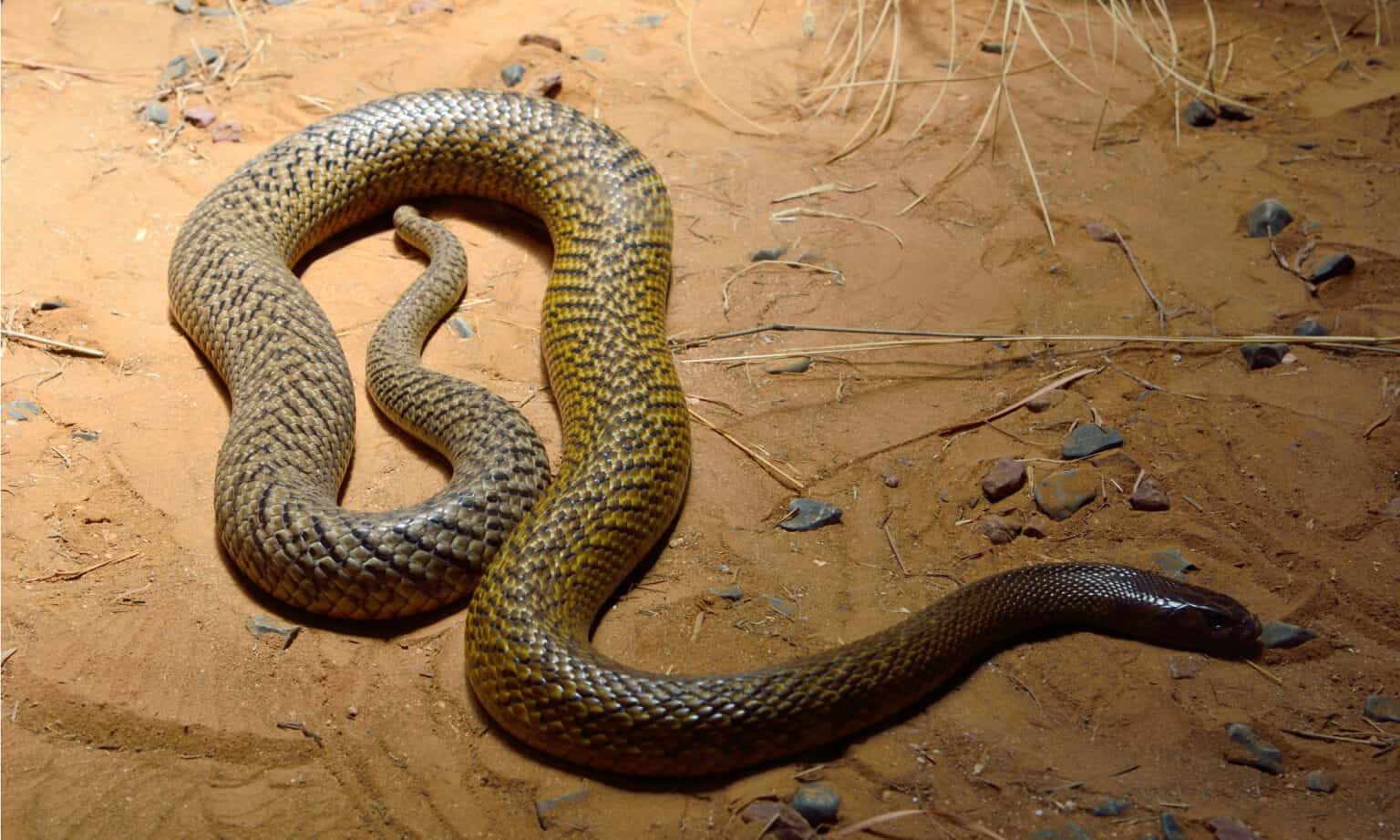
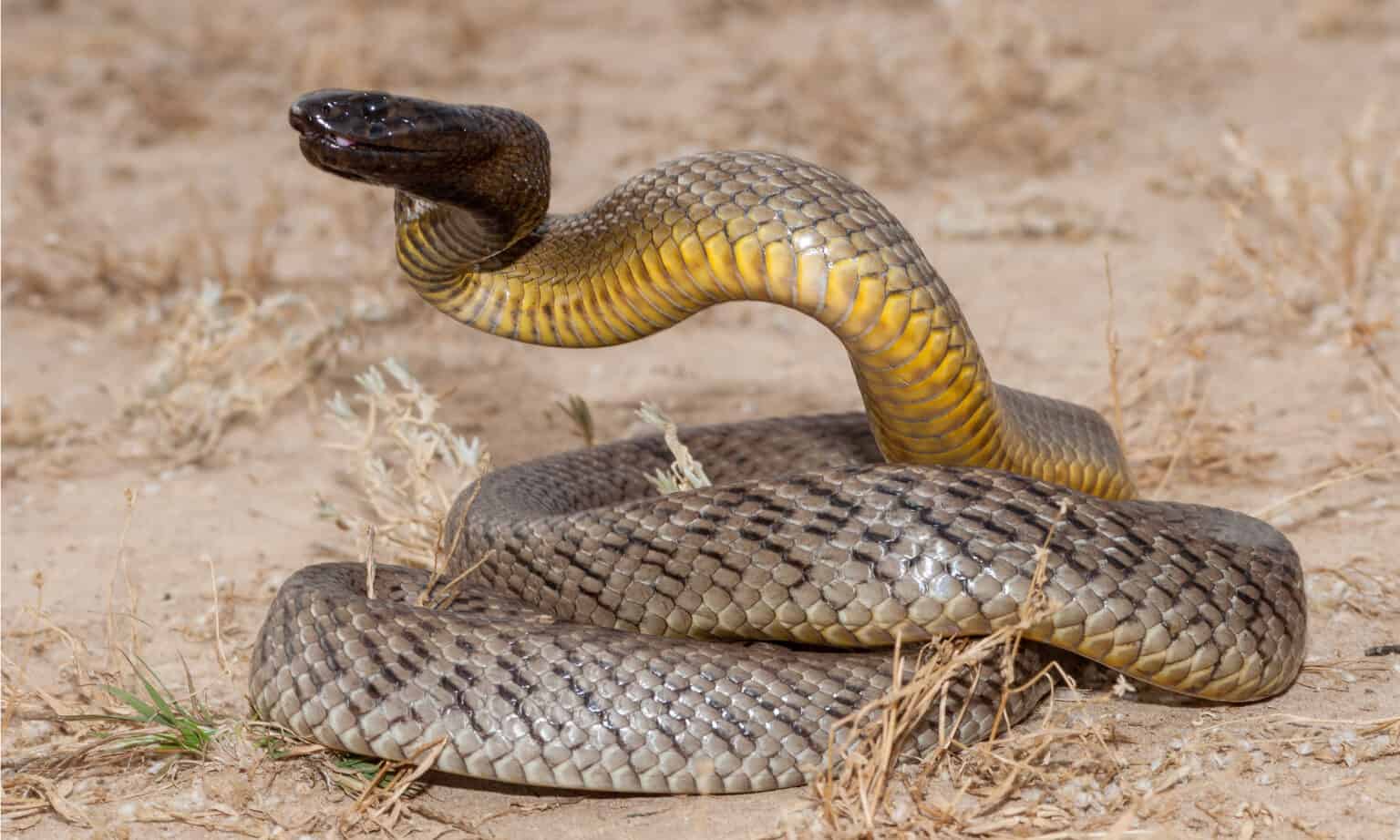
The inland taipan (Oxyuranus microlepidotus) is widely considered to be the most dangerous snake in the world and one of the most life-threatening creatures in general. Also known as the western taipan or fierce snake, it is only found in central east Australia. The inland taipan possesses venom so toxic that many have said it could kill over 100 grown adults, or 250,000 mice. Its venom contains a vile mixture of toxins including neurotoxins, hemotoxins, and possibly nephrotoxins. Luckily, the inland taipan rarely bites people unless provoked.
Final Thoughts: Which Is Deadlier to Humans: Snakes or Spiders?