View on Threads
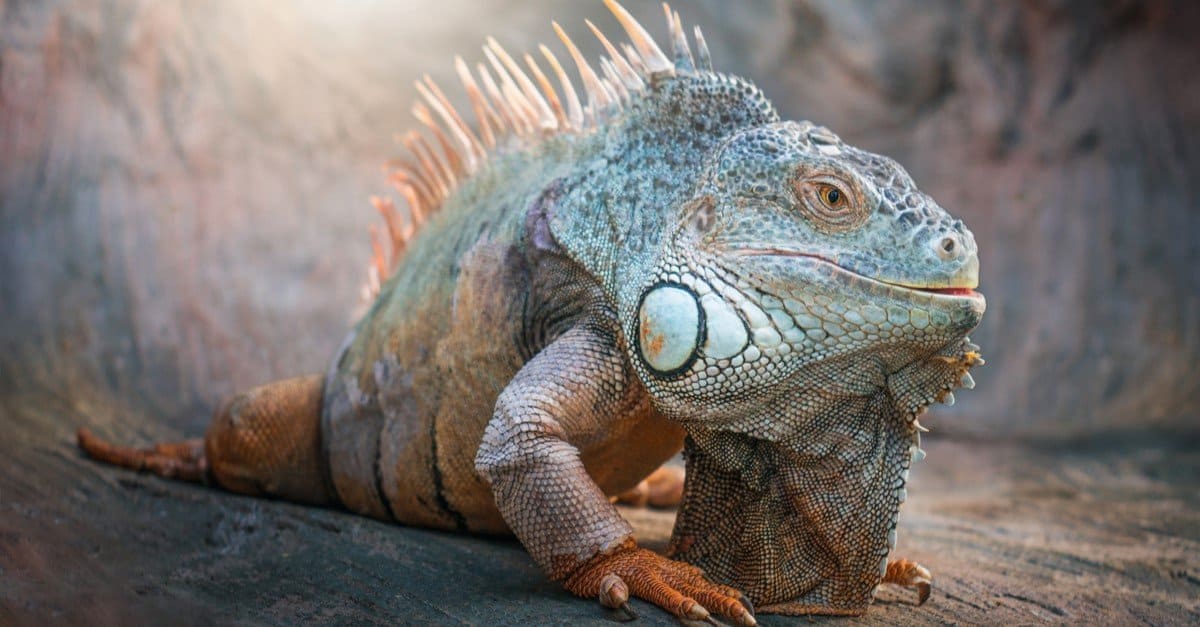
We’ve all heard stories of resilience, of the underdog pulling through, of against-all-odds victories. But sometimes, nature throws us curve balls that truly redefine what it means to be a survivor. And folks, I’m here to tell you about an iguana. Not just any iguana, but a freaking legendary iguana.
Over the past few years, Florida, and other areas with established iguana populations, have been hit with some surprisingly cold temperatures. While most of us were reaching for extra blankets and hot cocoa, these cold-blooded reptiles were facing a life-or-death situation. When temperatures dip too low, iguanas enter a state of torpor, a kind of hibernation lite. The problem? They lose their grip and… well, they fall.
Yes, you heard that right. Frozen iguanas raining from the trees. Sounds like a scene from a B-movie, right? But for these iguanas, it’s a terrifying reality.
Now, you might be thinking, “Falling out of a tree while frozen? That’s gotta be game over.” And in many cases, sadly, it is. But then there are the survivors. The ones that prove that even when the odds are stacked against you, you can still pull through.
We’ve seen countless stories of these “frozen rain” iguanas. News reports showing people carefully picking them up from their lawns, stiff and seemingly lifeless. But here’s the thing: many of them aren’t dead. They’re just really, really cold.
And this is where the “freaking survivor” part comes in.
Think about it: they’ve endured a frigid temperature drop, a potentially dangerous fall, and the disorientation of being completely immobilized. Yet, with a little help from the sun (or a kind-hearted human), these iguanas often start to thaw, to twitch, and eventually, to fully recover.
What makes them so resilient?
- Adaptation: Iguanas are surprisingly adaptable creatures. While not designed for freezing temperatures, they’ve managed to eke out a living in colder climates than their tropical origins suggest.
- Torpor: Their ability to enter a state of torpor, even if imperfectly, helps them conserve energy and withstand the cold for a period.
- Sheer Luck: Let’s be honest, sometimes it’s just a matter of being lucky. Landing in a pile of leaves, avoiding serious injury from the fall, or simply being found before predators arrive can all play a role.