Types of Leopards
There are 9 subspecies of leopards currently in existence. The most famous is the African leopard. The other 8 subspecies are the Indian leopard, Persian leopard, Arabian leopard, Indochinese leopard, North-Chinese leopard, Sri Lankan leopard, Javan leopard, and Amur leopard.
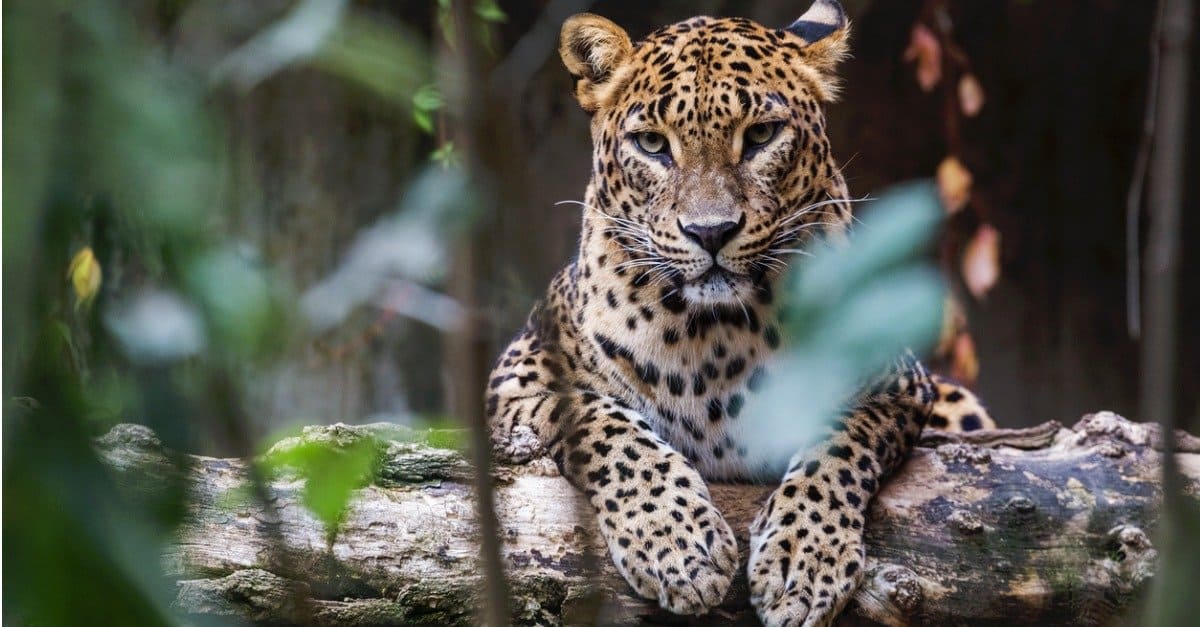
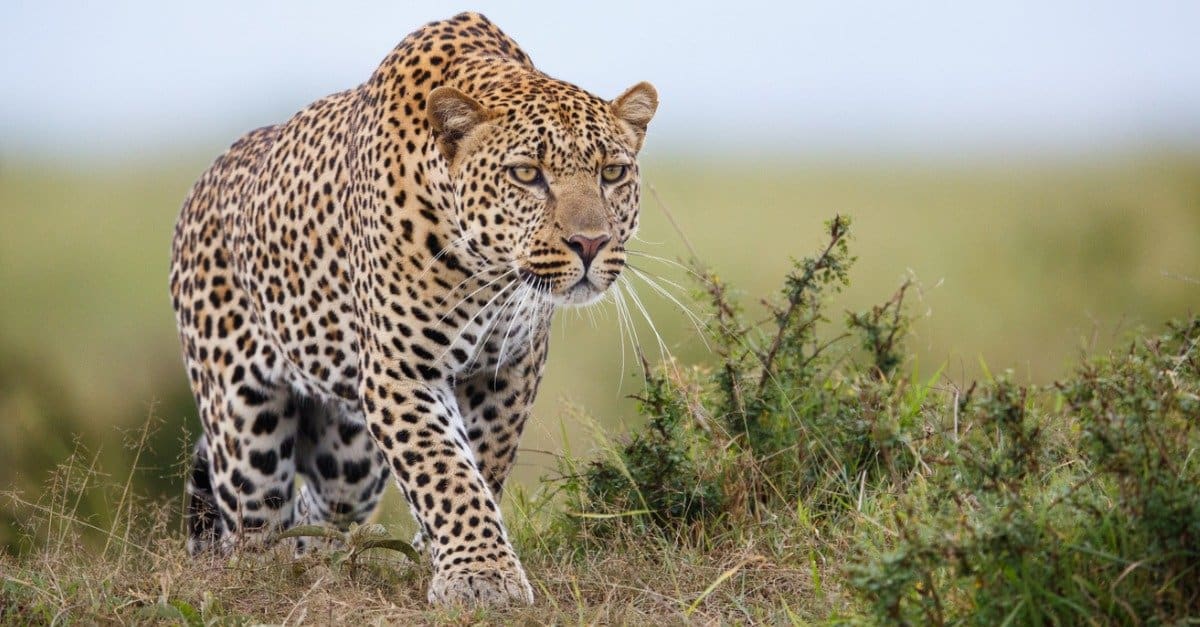
Most leopards are marked by pale yellow or deep golden coats with black rosettes and spots. Interestingly, panthers — also known as melanistic individuals — are a unique variety of both leopards and jaguars. Their unusual dark coats are their distinguishing feature, but the signature rosettes are often still visible.
Leopards are the fourth-largest of the big cats behind tigers, lions, and jaguars. Persian leopards are the largest of the 9 subspecies, with a body length of up to 6 feet. Males can weigh as much as 200 pounds. The smallest subspecies, the Arabian leopard, has a body length of up to 4 feet. It usually doesn’t weigh more than 70 pounds.
How Many Leopards Are Left in the World?
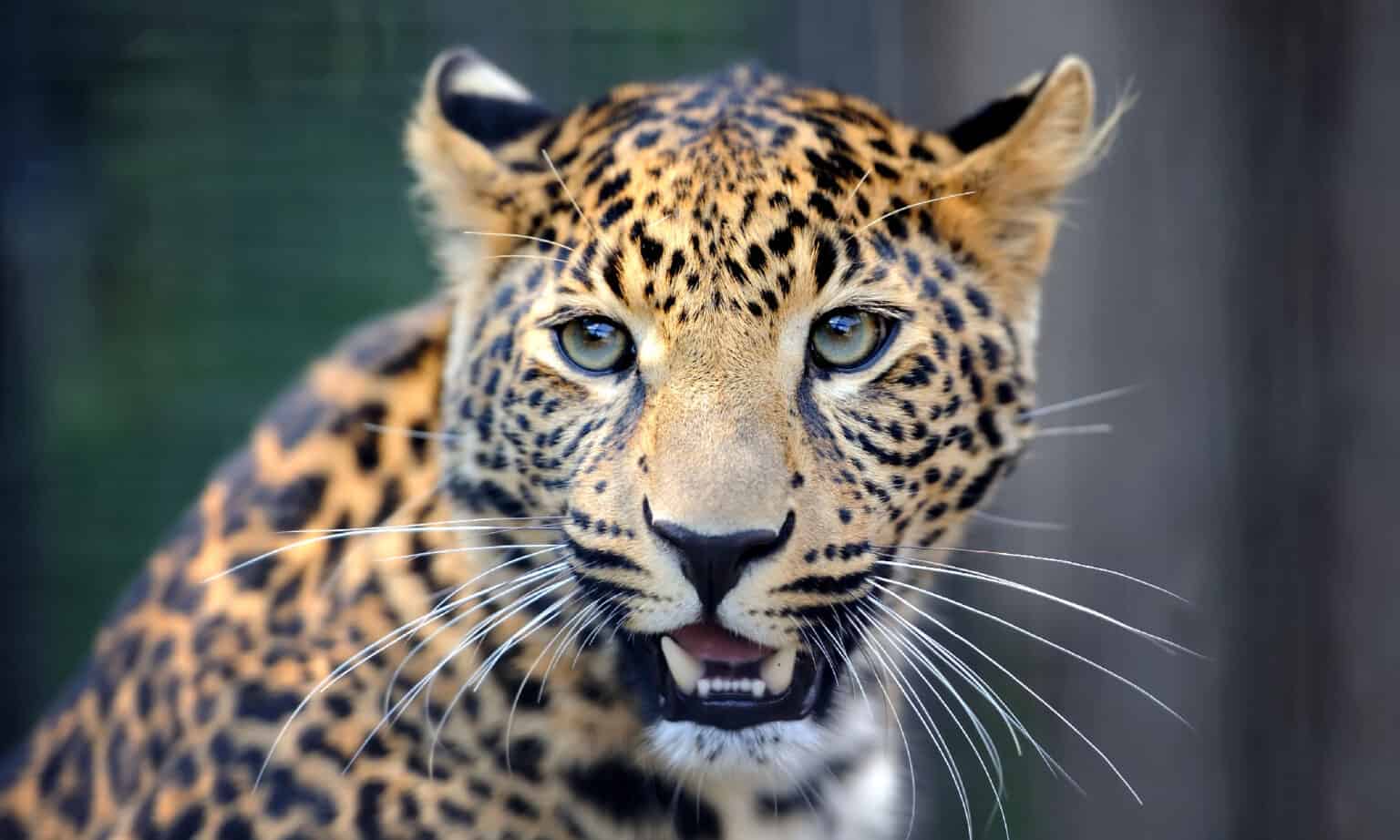
It is not currently known exactly how many leopards are left in the world, although estimates tentatively suggest that there may be less than 250,000. However, conservationists list leopards as Near Threatened. Thankfully, enough of them remain that repopulation is a possibility. Unfortunately, some subspecies fare worse than others. The Amur leopard is the rarest, with only about 100 individuals left in the wild. It is listed as critically endangered and could soon be extinct. With these statistics, it is likely the most endangered big cat in the world.
Likewise, the Javan leopard lands on the critically endangered list with about 250 mature adults left in the wild. Unfortunately, human encroachment on its habitat means its chances for survival have dwindled. The Arabian leopard is also on this list, with a meager 200 individuals remaining. If we do not take action to save these subspecies, they could soon disappear.
What Place in the World Has the Most Leopards?
As a continent, Africa contains the most leopards. The species exists primarily in central, eastern, and southern Africa. Western countries like Sierra Leone and northern countries like Morocco and Algeria also contain a small number. Their most common habitats are savanna grasslands, rainforests, and mountain regions. Desert, semi-desert, and arid regions also host their share of leopards.
In East Africa, Zambia is famous for its leopards. Its South Luangwa National Park boasts some of the best sightings on the continent. Tourists hoping to catch a glimpse of a wild leopard may consider this a top destination.
Leopard Diet and Predators
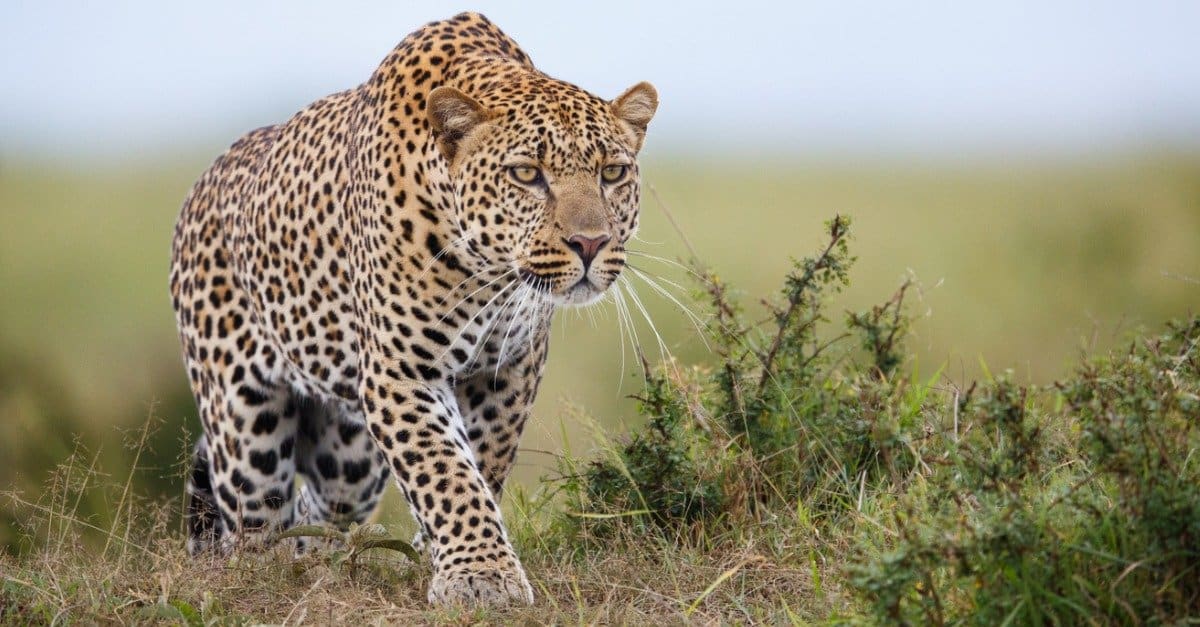
Leopards are cunning, solitary carnivores. As apex predators, they sit at the top of the food chain. Their preferred prey are medium-sized mammals like deer, warthogs, and baboons. However, they are willing to eat a diverse range of animals, including birds, rodents, reptiles, and even dung beetles. This flexibility has allowed them to persevere under challenging conditions.
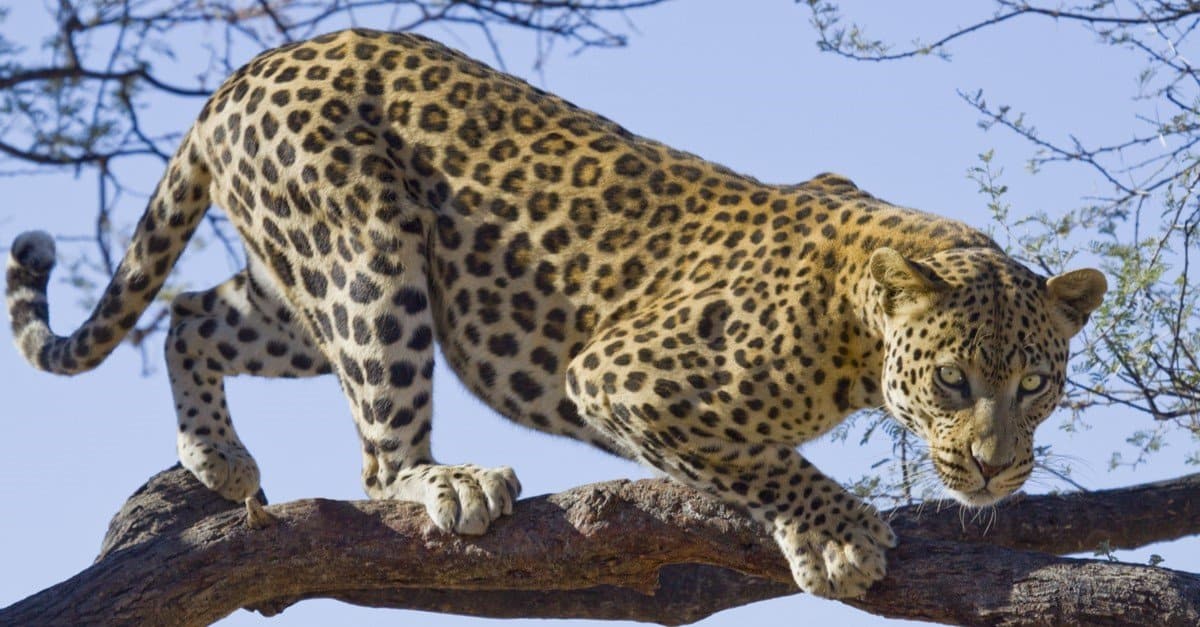
Apex predators normally have little to fear from other hunters. But as the smallest of the big cats, leopards are occasionally in danger from other top predators. Lions, jaguars, and hyenas are all potential threats. They may even try to steal a leopard’s food. For that reason, leopards often haul their kills high into the trees where they can eat in peace.
Why Are Some Leopard Populations Endangered?
Poaching remains one of the main reasons for the decline of leopard populations. The Amur leopard suffers greatly at the hands of trophy hunters. Leopards often live near human settlements, making them easily accessible. They are also killed for their fur, as hunters sell the furred skins as rugs or items of clothing.